Landforms of Coastal Erosion

Landforms created as the result of processes of erosion along the coast.



Landforms of Coastal Erosion

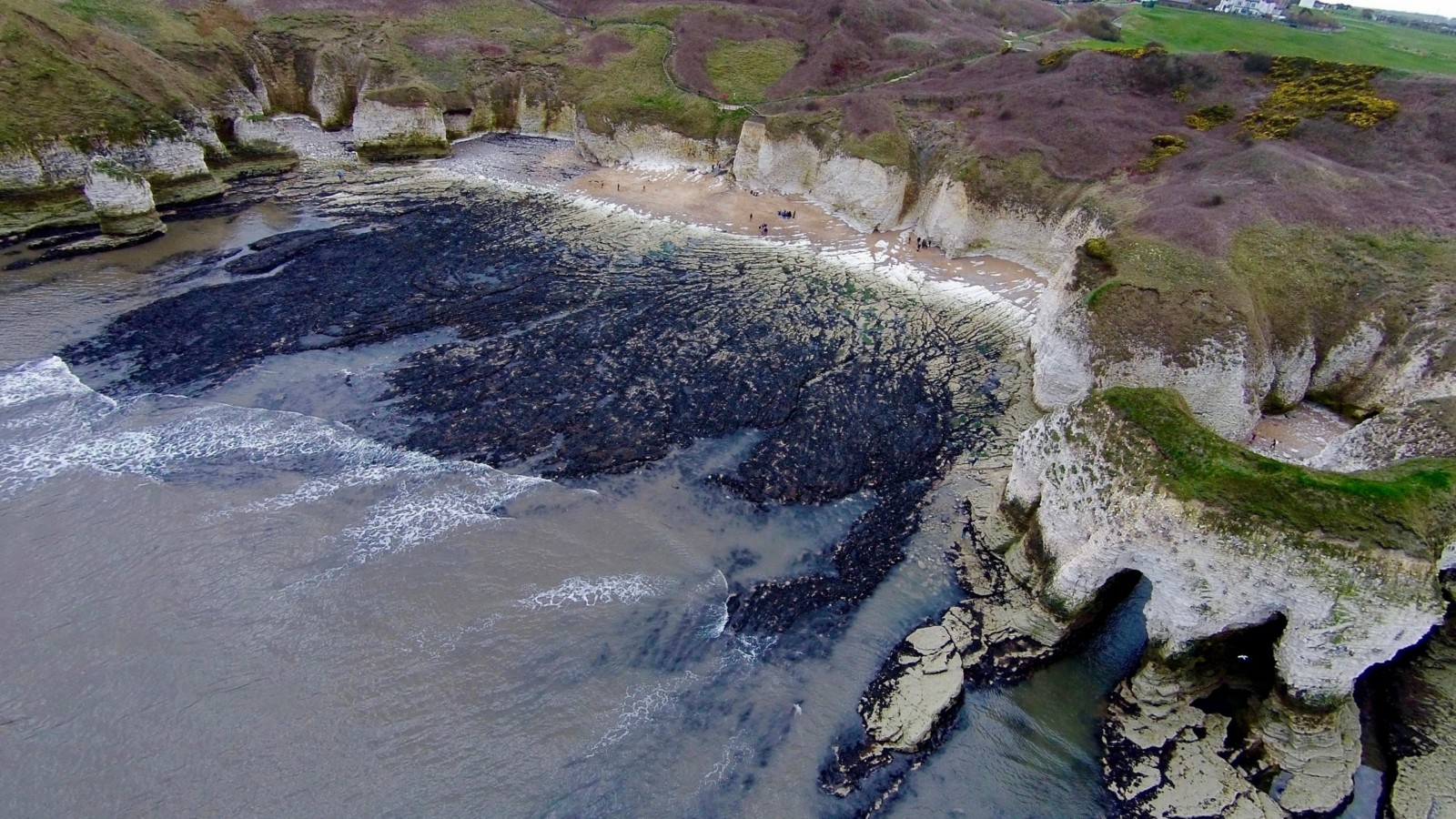
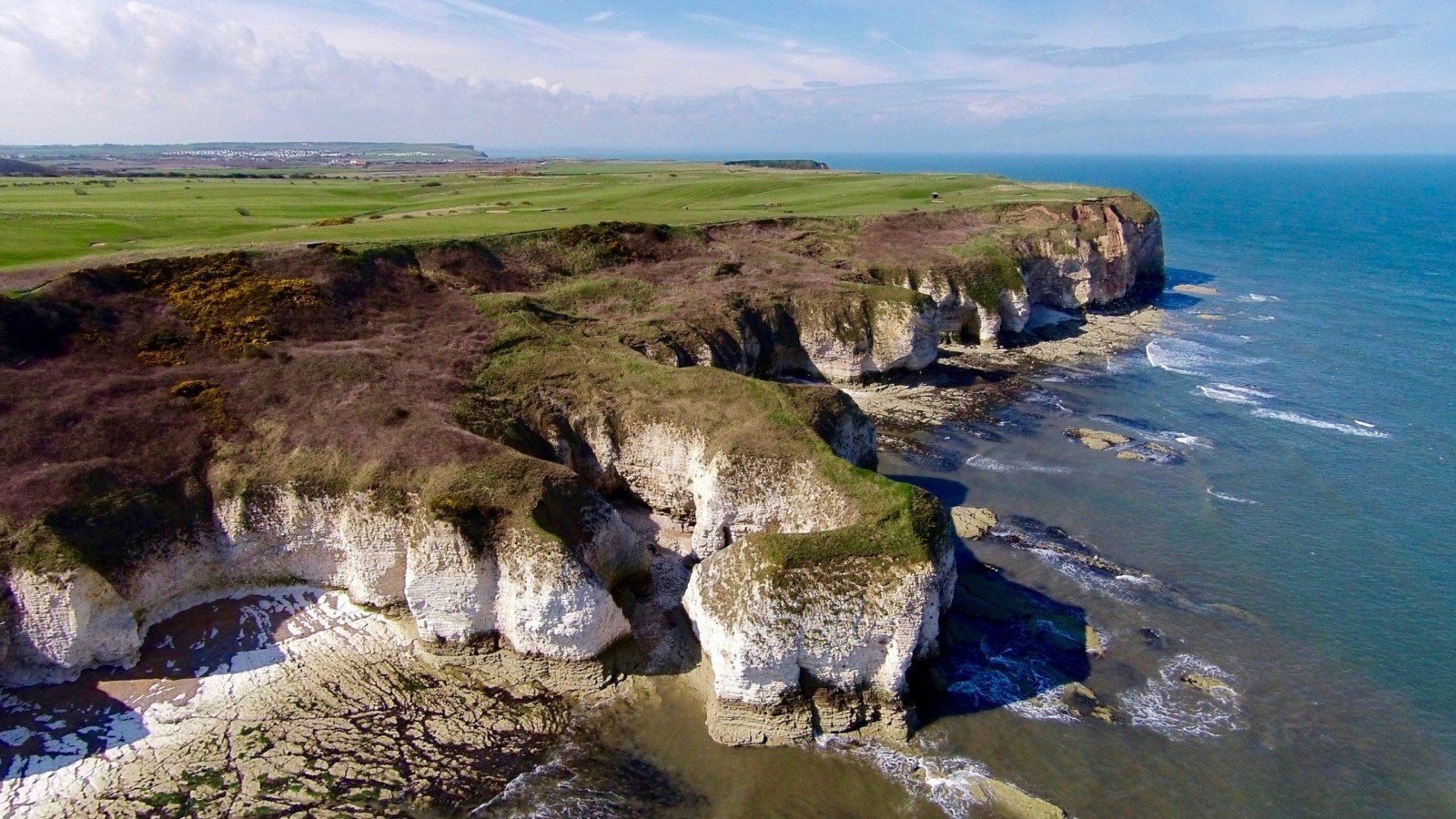
Coastal erosion creates a range of landforms along the coast. The landforms largely depend on the material that forms the cliff. More resistant materials, such as chalk, lead to the formation of classic coastal landforms such as arches, stacks, and stumps. Where there is a combination of hard and soft material, this leads to the formation of bays and headlands.

Rates of coastal erosion are determined by a range of factors. These include the fetch of a wave, type of beach, the supply of beach material by longshore drift, the slope of the cliff, vegetation cover, local hydrology, the rate at which cliff debris are removed from the foot of the cliffs and the material that cliffs are made of. These are each examined below:

  • fetch of the wave – the longer the wave fetch the greater the erosive energy of the wave;
  • type of beach – beaches dissipate wave energy. The higher the beach the lower the energy in the wave as it meets the foot of the cliff (if it does at all!);
  • the supply of beach material by longshore drift – if there is a consistent supply of new beach material by longshore drift this will help preserve the beach. If this has been stopped, by building groynes for example, this can increase the rate of cliff recession as there is no beach material to absorb the energy of the waves;
  • vegetation cover – cliffs with vegetation cover tend to be less resistant to recession as roots help bind and reinforce the cliff material;
  • local hydrology – if there is a large amount of surface run off and infiltration this can increase the rate of cliff recession;
  • the rate at which debris are removed from the foot of cliffs – if the material that has formed at the foot of cliffs is rapidly transported away then the cliffs will be quickly exposed to erosion;
  • cliff material – the material that cliffs are made of has a significant impact on cliff recession. Soft boulder clay cliffs recede much quicker than cliffs formed from sedimentary rock such as chalk. These types of cliff recede in quite different ways.
Internet Geography Plus


Related Topics

Use the images below to explore related GeoTopics.

Pin It on Pinterest

Share This