The demand for food in the UK
The changing demand for food in the UK

Seasonal food refers to the times of the year when the harvest or the flavour of a given type of food is at its peak. This is usually the time when the item is harvested. Before supermarkets, most food eaten in the UK was sourced in the UK and seasonal. Fruit and vegetables were available according to the season. For example, during the summer months, lettuce and strawberries were widely available, whereas during the winter, parsnips and cabbage were sold. Food was also preserved by being bottled, frozen and pickled.
Today, we are used to enjoying seasonal fruits and vegetables throughout the year. However, because some food cannot be grown throughout the year in the UK, it has to be imported from other countries, along with food not native to the UK, such as avocado and mango. Therefore, there has been an increase in food being imported into the UK.
Even seasonal fruits and vegetables are imported from other countries. Despite the increased food miles, it can be cheaper for food to be grown in low-income countries and transported to the UK. Forty-five per cent of the UK’s food was imported in 2019.
Demand for non-seasonal products has brought challenges and benefits for low-income countries (LICs) such as Kenya and the Caribbean.
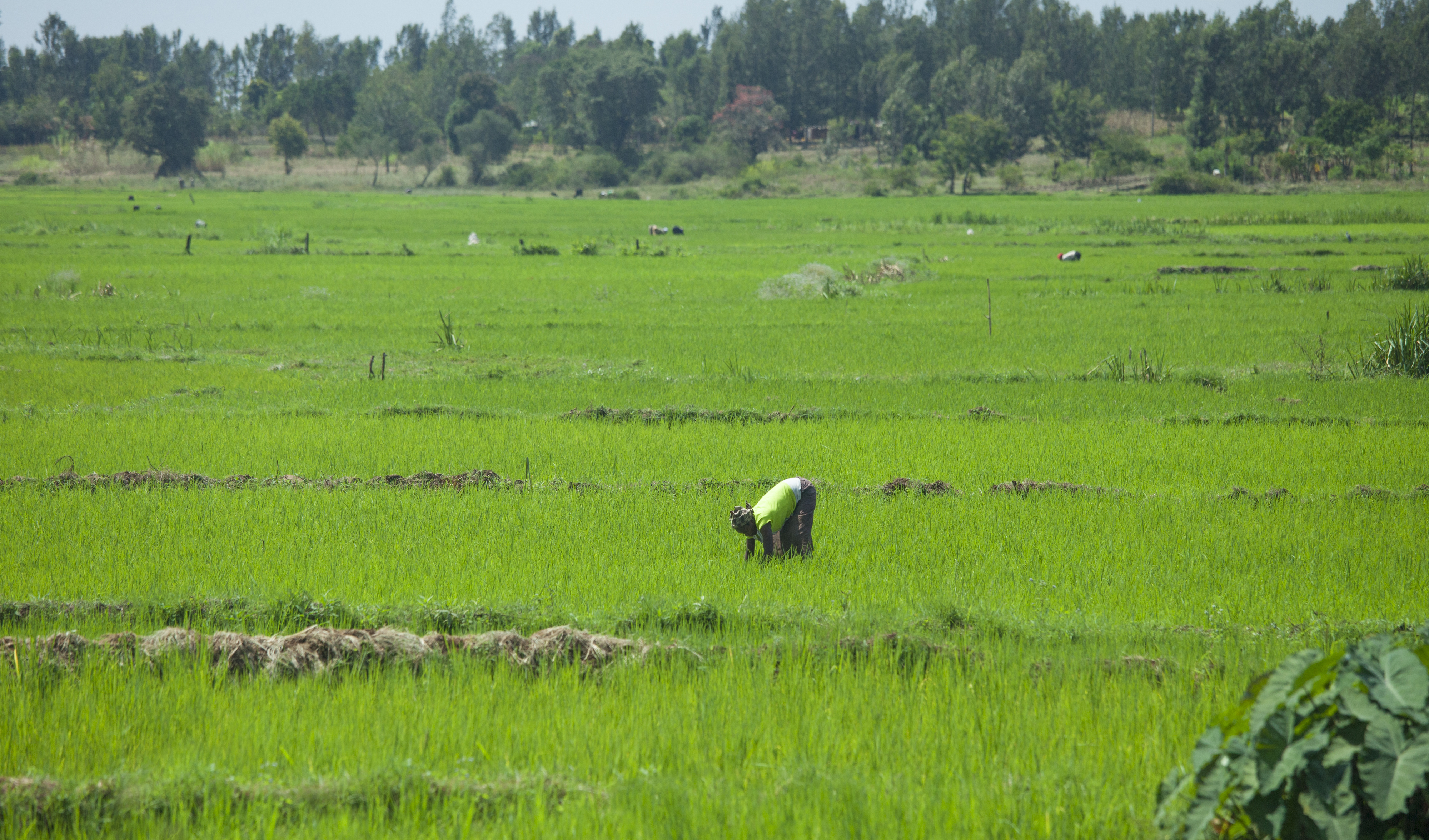
Farming in Kenya
The main benefits are:
The challenges associated with the growth in demand for out-of-season fruit and vegetables include:
There has been an increasing demand for organic food in the UK. Organic food is produced without chemicals such as fertilisers and pesticides. Organic produce includes meat, fruit and vegetables.
Organic farmers operate without chemical pesticides by using natural predators to consume pests, such as ladybirds eating blackflies. Crops are rotated to maintain nutrients. Also, natural fertilisers are used. Mechanical weeders are used instead of chemicals to combat weeds. Animals are reared without drugs, such as hormones, to promote growth.
Organic food has grown in popularity since the 1990s for several reasons. These include:
Demand for organic food declined between 2009 and 11 due to the global recession, leading to households having reduced incomes. Organic food is more expensive because yields (crops) are lower than those of farms that use chemicals. However, people are prepared to pay the extra for organic produce as they believe it tastes better. Supermarkets now sell 75% of organic food in the UK. The remaining 25% is sold at farmers’ markets and vegetable box schemes (where organic vegetables are delivered to the customer’s door). The most popular organic products are dairy products, including milk, cheese and yoghurt.
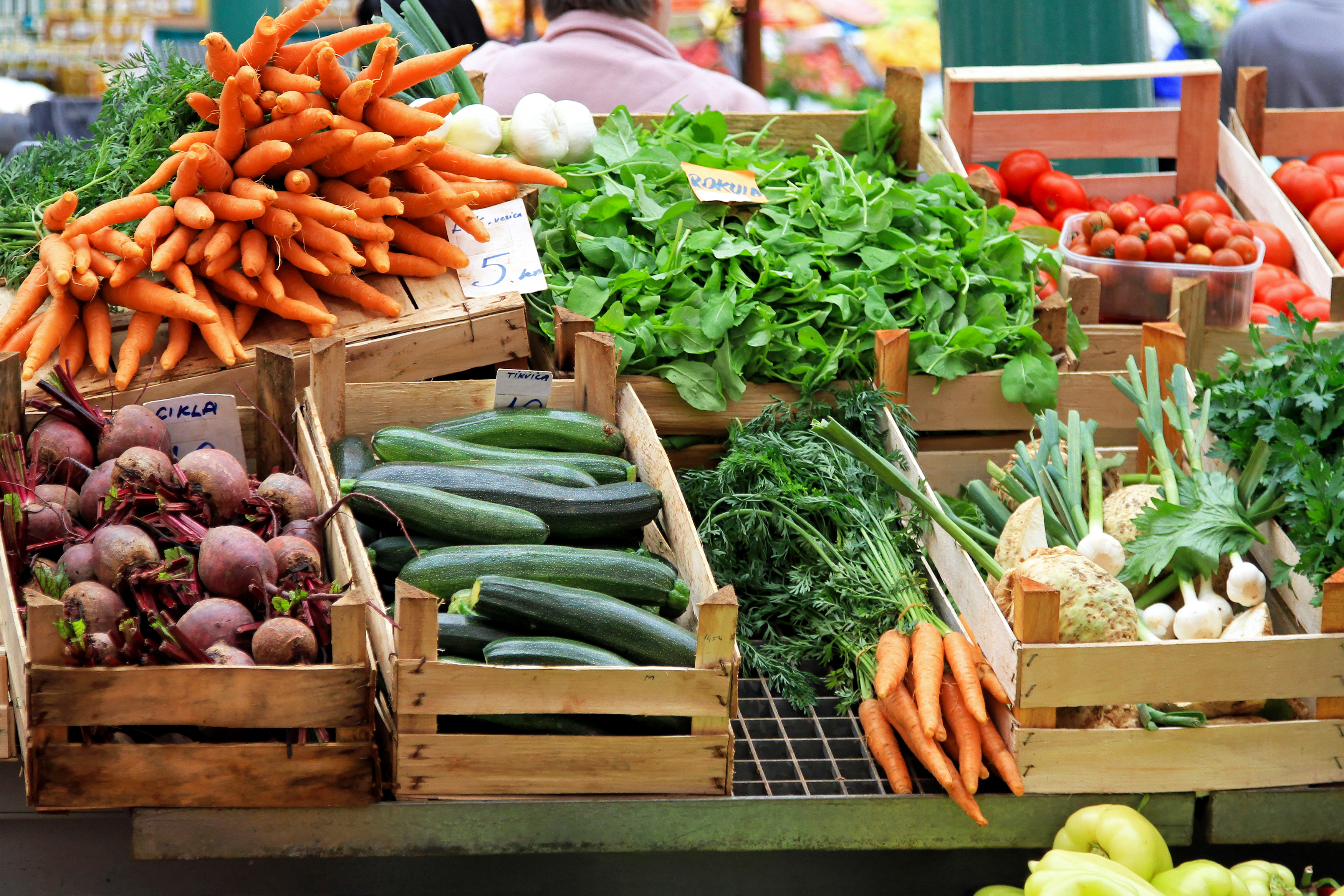
Fresh and organic vegetables at farmers’ market
Carbon footprints, ‘food miles’ and moves towards local sourcing of food




Use the images below to explore related GeoTopics.


