Thar Desert Case Study
What are the opportunities and challenges to economic development in the Thar Desert?

The Thar Desert, also known as the Great Indian Desert, is located in northwest India and stretches into Pakistan. It covers 200,000 square kilometres and is the most densely populated desert in the world. The desert forms a natural boundary between India and Pakistan.
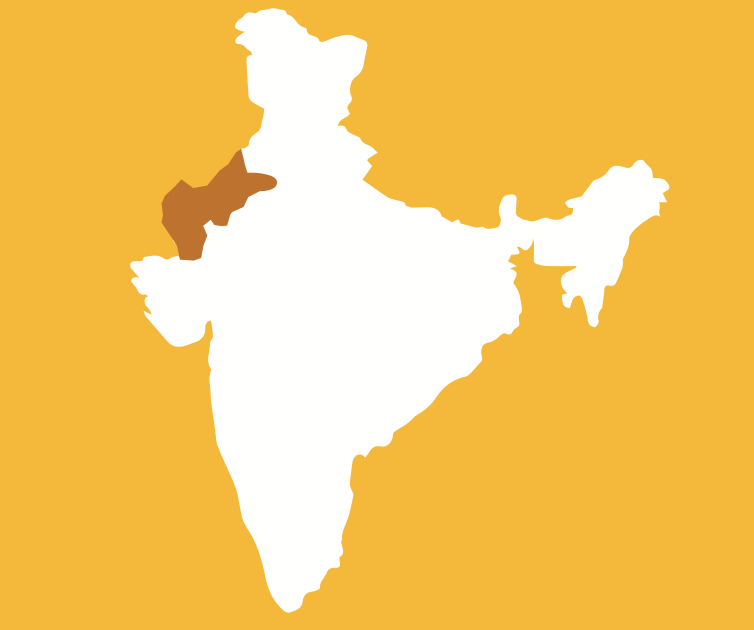
A map to show the location of the Thar Desert in India
Mineral extraction in the Thar Desert
Many minerals are extracted from the ground in the Thar Desert including:
Energy in the Thar Desert
A range of renewable and non-renewable energy resources are exploited in the Thar Desert. Renewable energy resources include wind and solar energy. At Jaisalmer, 75 wind turbines are generating 60MW of electricity. Solar energy is being used in Bhaleri to power water treatment works. Due to the long hours of sunshine, there is massive potential in the generation of solar energy.
Farming in the Thar Desert
Most farming in the Thar Desert is subsistence which means farmers produce enough food for them and their families to eat. Rearing animals, growing crops and foraging for fruit and berries are common subsistence farming approaches in the Thar Desert.
The Indira Gandhi canal has enabled the irrigation of 3500k㎡ of land for the commercial production of wheat, cotton and maize.
Tourism in the Thar Desert
Tourism in the Thar Desert has increased recently, mainly from Pakistan. Desert safaris are popular as is ecotourism including camel treks.
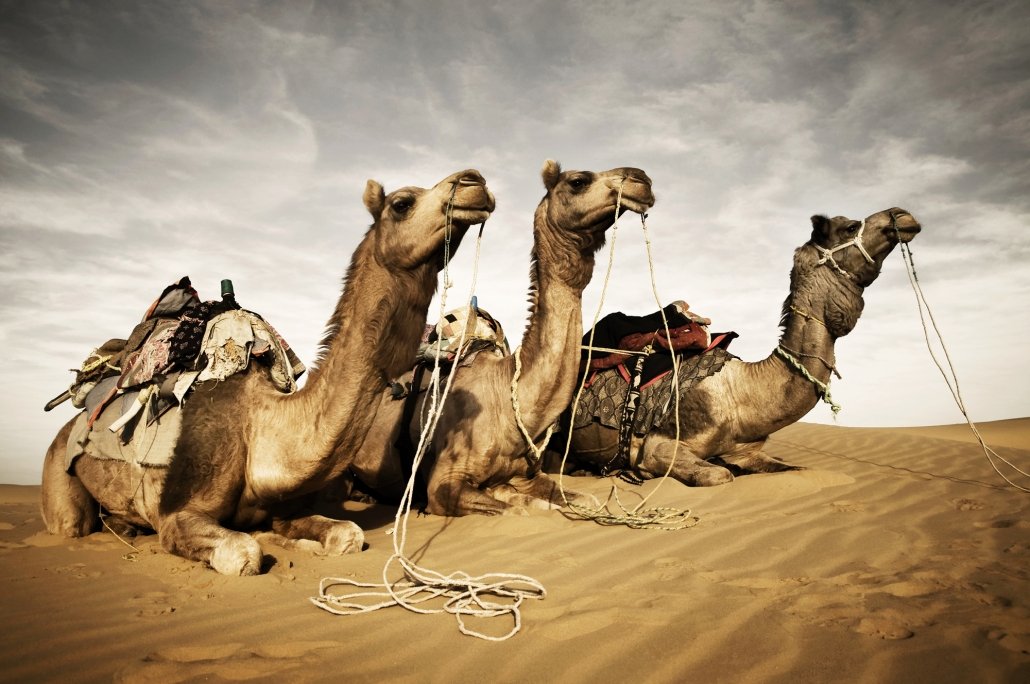
Camels in the Thar Desert
Hot deserts are hostile, remote and challenging environments for development.
Water supply
Precipitation levels are in the Thar Desert are very low, between 120-240mm, and evaporation rates are high. Stable water supplies are essential for economic development. Water is traditionally stored in natural ponds known as tobas and are used by farmers in remote locations.
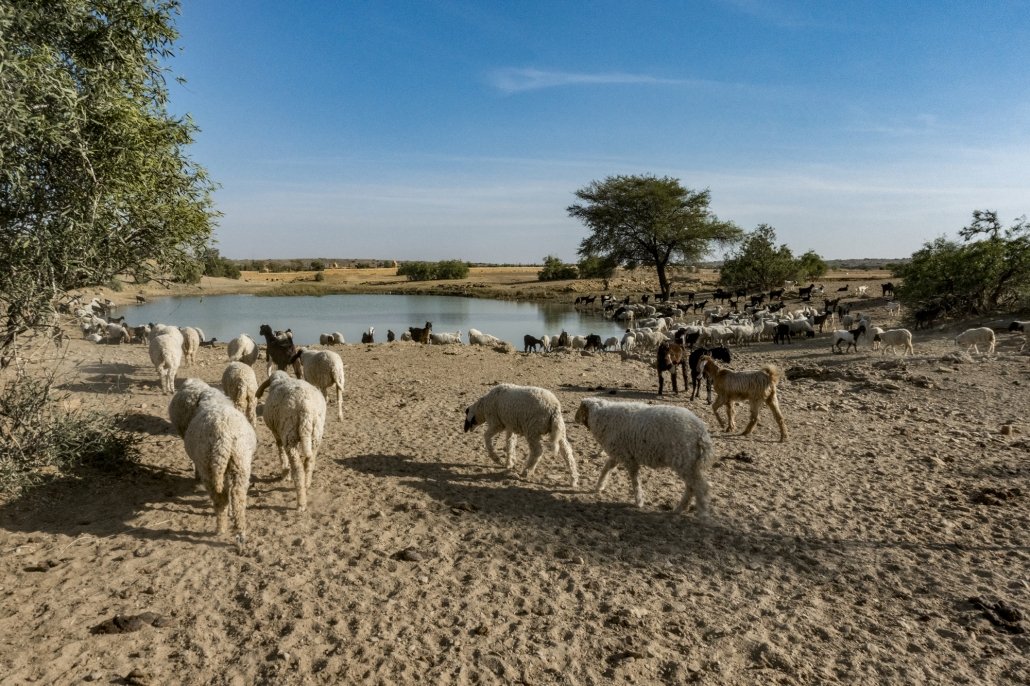
A toba in the Thar Desert
The Indira Gandhi canal was constructed to provide irrigation and drinking water in 1958.
Many settlements have formed along rivers due to the availability of fresh water. However, climate change could lead to river levels being lower which will lead to water scarcity.
Inaccessibility
Covering 200,000k㎡, The Thar Desert is vast. Despite having the highest desert population density in the world, it has a limited road network.
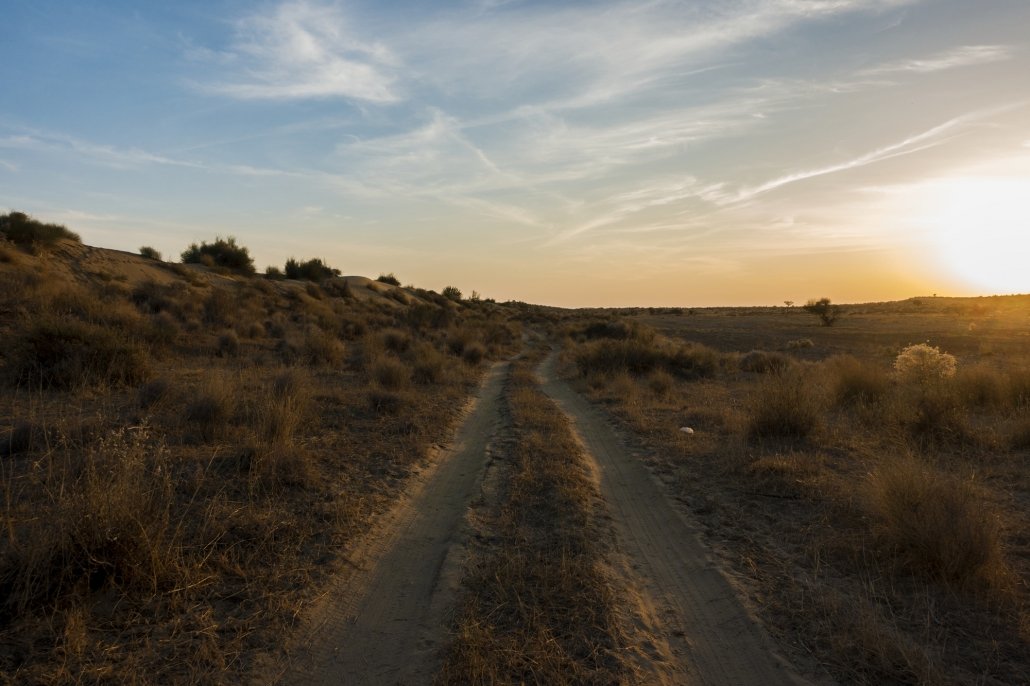
Tarmac can melt in the hot temperatures, and sand can easily blow over roads.
Extreme Temperatures
Temperatures can exceed 50°C in the Thar Desert which makes it very challenging to for people, such as farmers, to work outside. High temperatures lead to rapid evaporation and a shortage of water.




Use the images below to explore related GeoTopics.


