Economic activities in glaciated upland areas
Economic activities in upland areas include forestry, tourism and quarrying.

Upland areas affected by glaciation are challenging environments for economic activity. Farming crops is difficult due to the steep slopes, thin, infertile soils, low temperatures and heavy rainfall. However, extensive farming, such as sheep farming, is well suited to these environments.
Glaciated upland areas can be extreme environments. For rural landowners, there are very few ways to earn a living from the land. It is difficult to farm crops because of the: steep slopes due to past ice erosion, which makes using machinery difficult. thin soils with limited fertility due to underlying resistant rocks and steep slope gradients. low temperatures at high altitudes, resulting in a short growing season. Heavy relief rainfall, especially in western areas most exposed to weather fronts, brings waterlogging to flat sites and soil erosion on slopes. Extensive agriculture, such as animal grazing, is well suited to glaciated upland areas. Some landowners have recently introduced deer due to the growing popularity of venison meat.
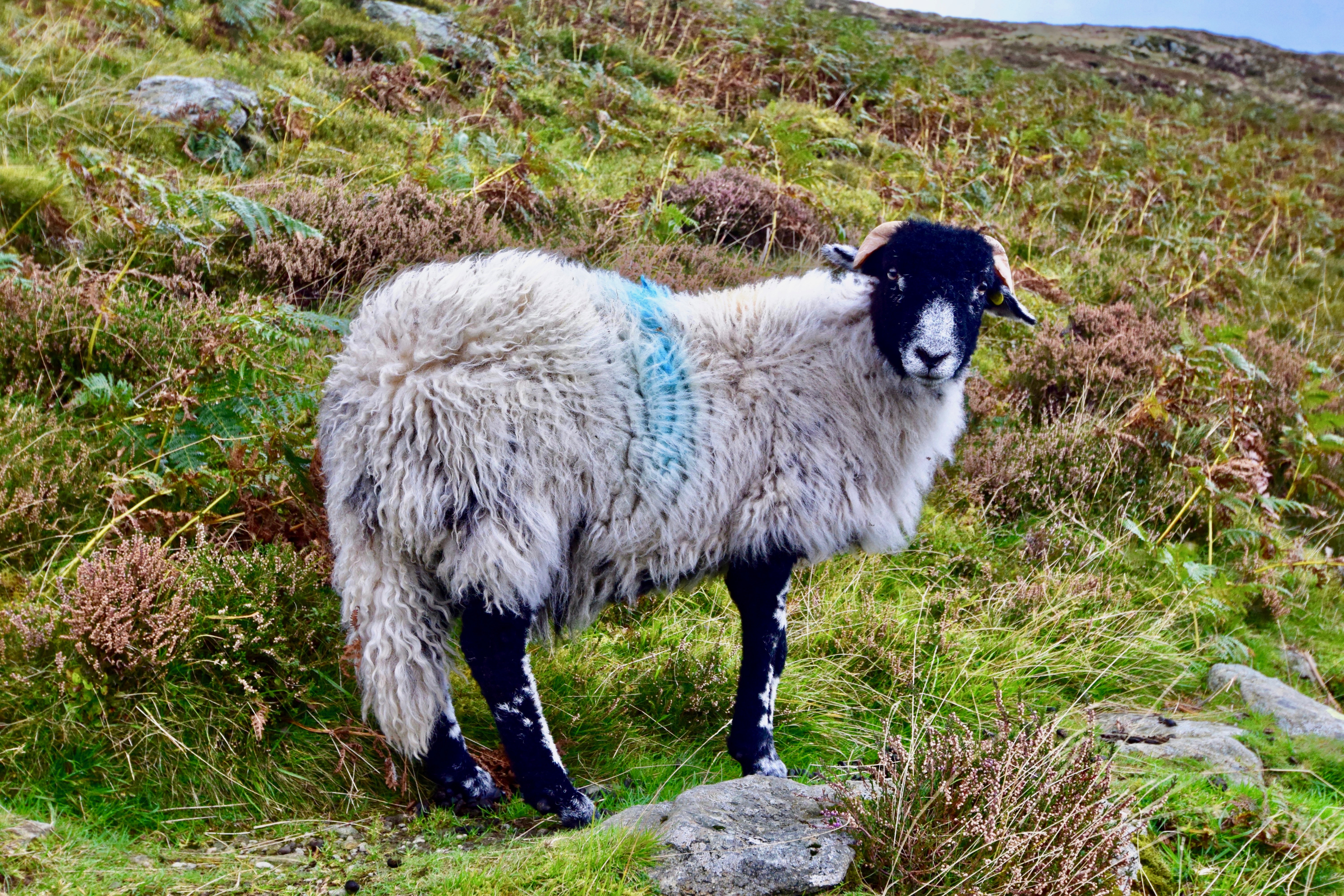
Sheep farming in The Lake District
Commercial forestry is another common land use in upland glacial environments. Coniferous trees, in particular, thrive in this environment. Over two million hectares of land in the UK are occupied by coniferous woodland. The Forestry Commission manages half of this as it was set up to ensure the UK would not run short of timber. Wood is used for making furniture, building and biofuel.
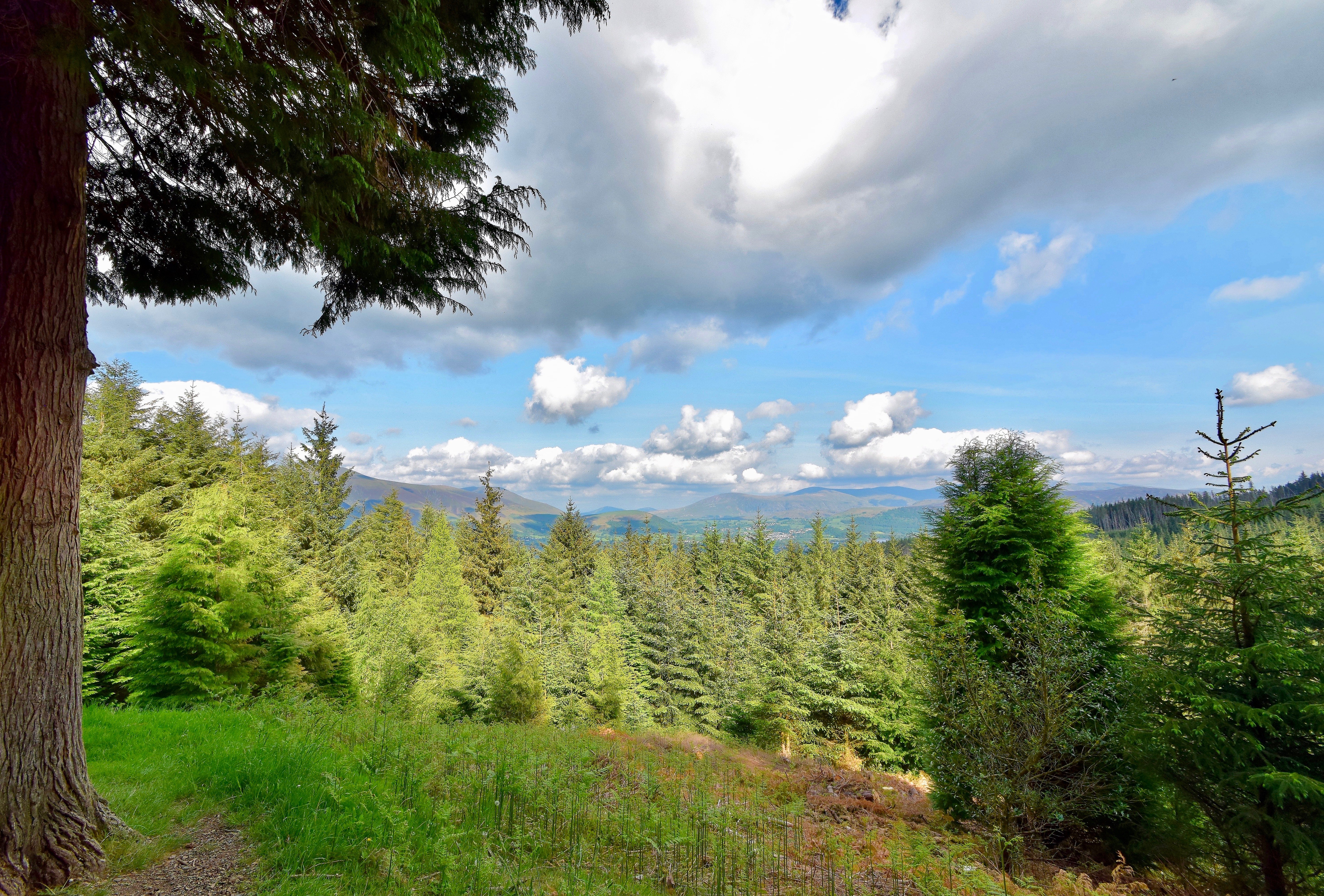
A coniferous forest in The Lake District
Tourism is often the most important industry in upland areas. It offers more employment opportunities than any other sector. Upland glacial landscapes attract walkers who enjoy the beautiful scenery. The many challenging routes in upland areas draw mountain climbers. The Lake District particularly benefits from tourism due to its accessibility.
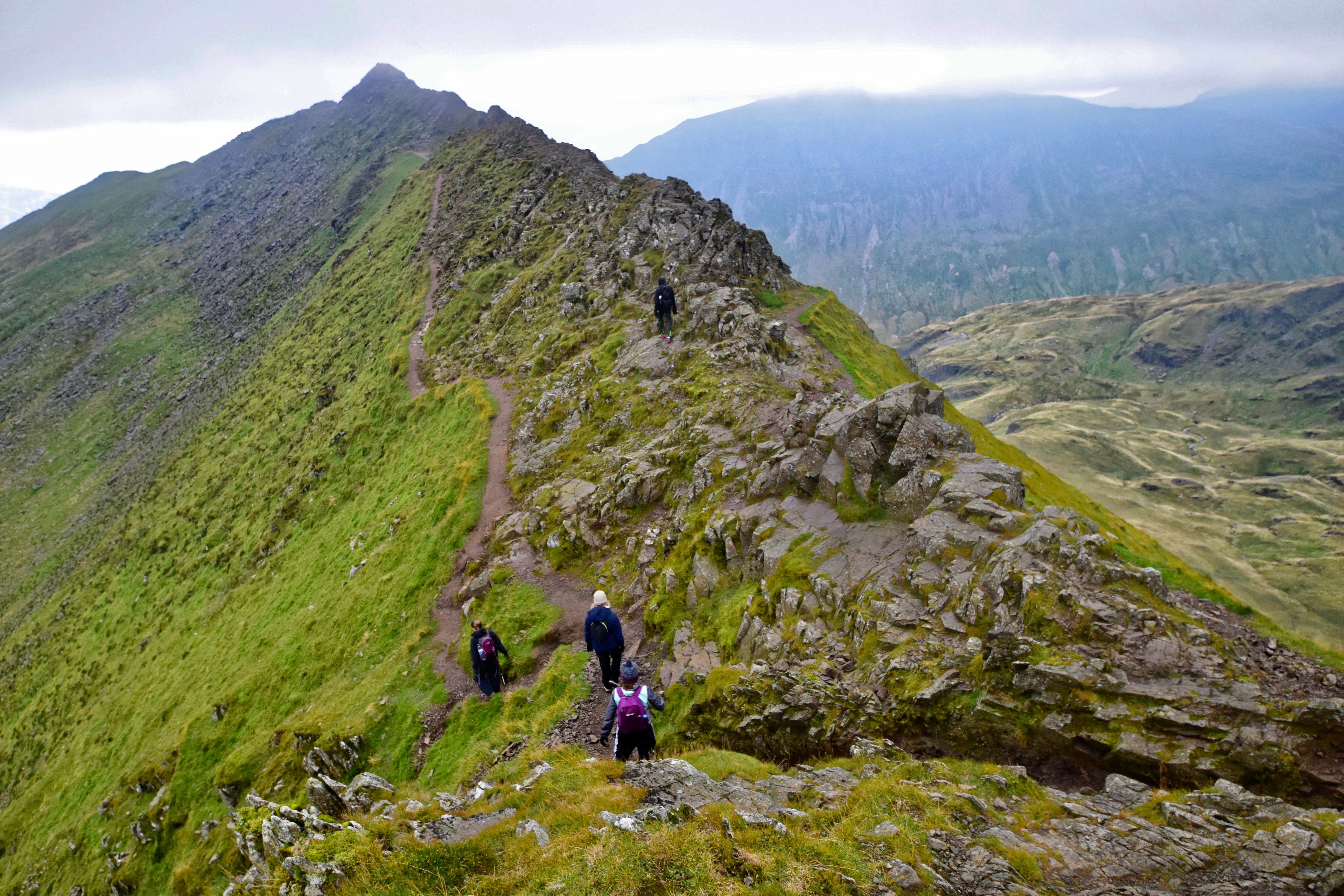
Walkers on Striding Edge, an arete in the Lake District.
You can find out more about the glacial features of the Lake District here.
Quarrying occurs in upland areas because the geology is composed of hard, resistant rocks that do not tend to be found in lowland areas. The low population density means fewer people oppose the noise and transport issues that quarrying brings.
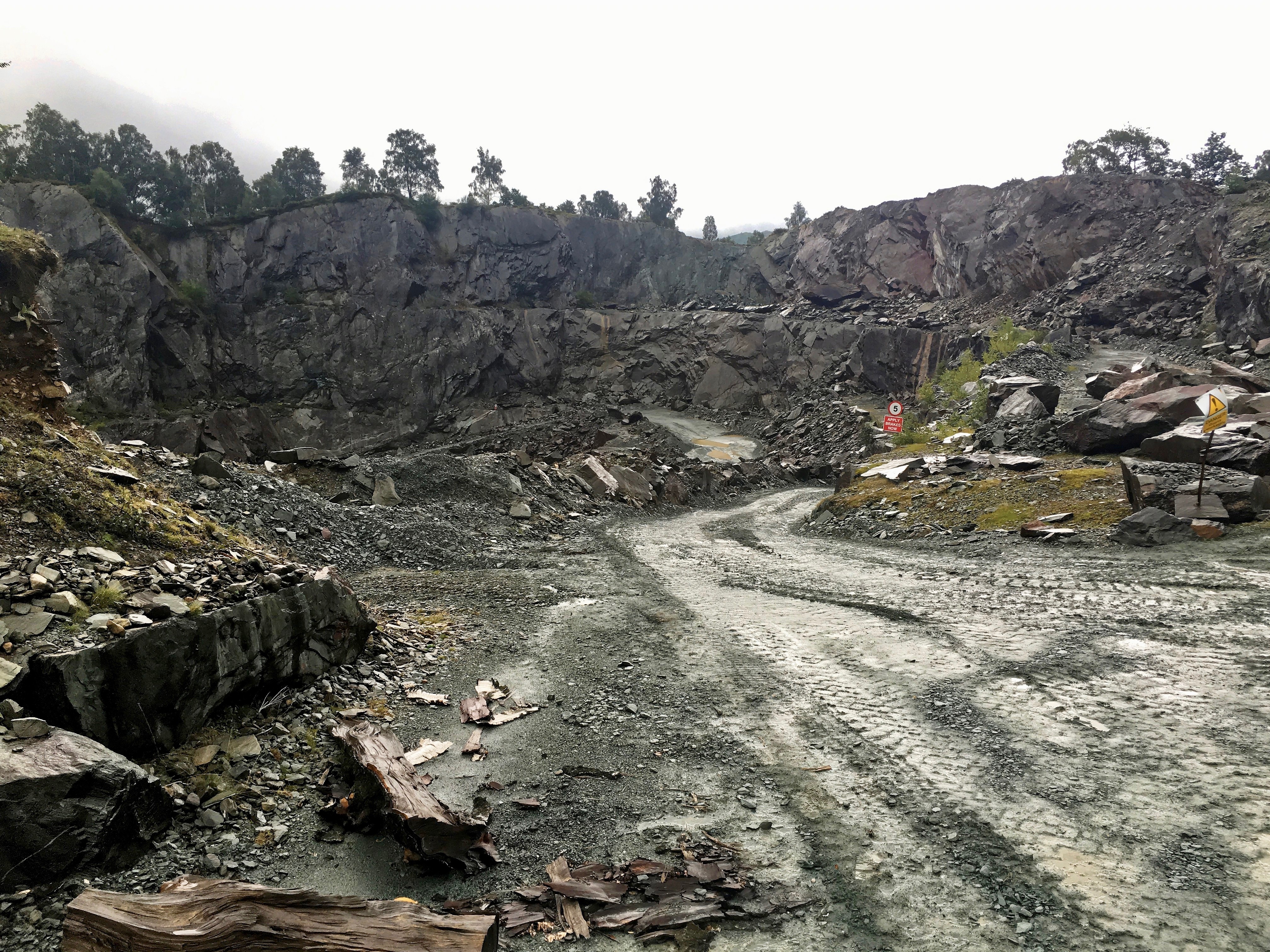
A quarry in the Lake District




Use the images below to explore related GeoTopics.


