How has hot desert vegetation adapted to the climate?

The extreme climate of the desert ecosystem means that plants and animals have had to adapt to survive. Vegetation has had to adapt to the extreme temperatures, lack of water and high evaporation rates. Plants capable of modifying their characteristics to thrive in dry conditions are known as xerophytes.
The main adaptations are:
• Vegetation has leaves that are very small or have no leaves at all. This helps to reduce water loss;
• Plants either have long root systems spread out wide or go deep into the ground to absorb water;
• Plants have short life cycles. They germinate following rainfall, grow, flower and die within a short time, e.g. one year. This helps them avoid drought;
• Some plants have spines to discourage animals from eating plants for water and reduce water loss through transpiration;
• Many plants are slow-growing – this requires less energy. The plants don’t have to make as much food and, therefore, do not lose as much water.
Some plants are succulents and store the water in their leaves, stems or roots. An example of this is the cactus.
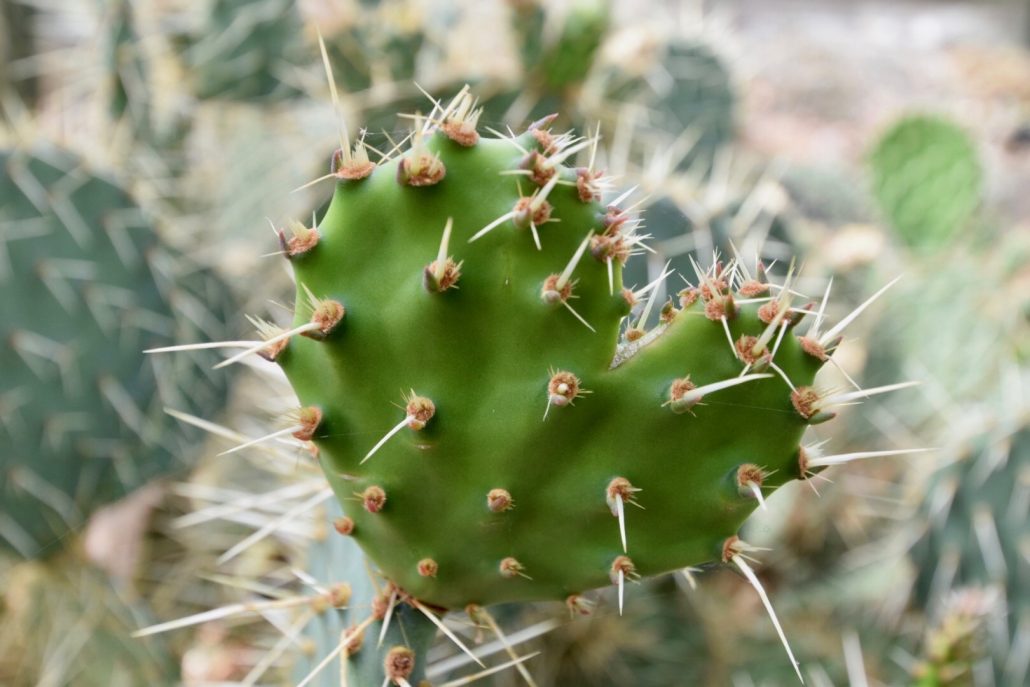
Cacti also have spines instead of leaves. These minimise surface area and help reduce moisture loss through daily transpiration. The spines also protect the cacti from being eaten by animals. They also have a waxy coating on stems to help reduce water loss.
Cacti have widespread root systems close to the surface that collect water from a large area.
Some plants in hot deserts are ephemeral, meaning they have a very short life cycle or a very short period of active growth. For example, the desert bluebell remains inactive for extended periods, only to sprout rapidly following rainfall. This adaptation permits them to fulfil their life cycles within a few weeks, including the swift emergence of vibrant flowers designed to attract insects for pollination. The desert dandelion is another example of an ephemeral plant.
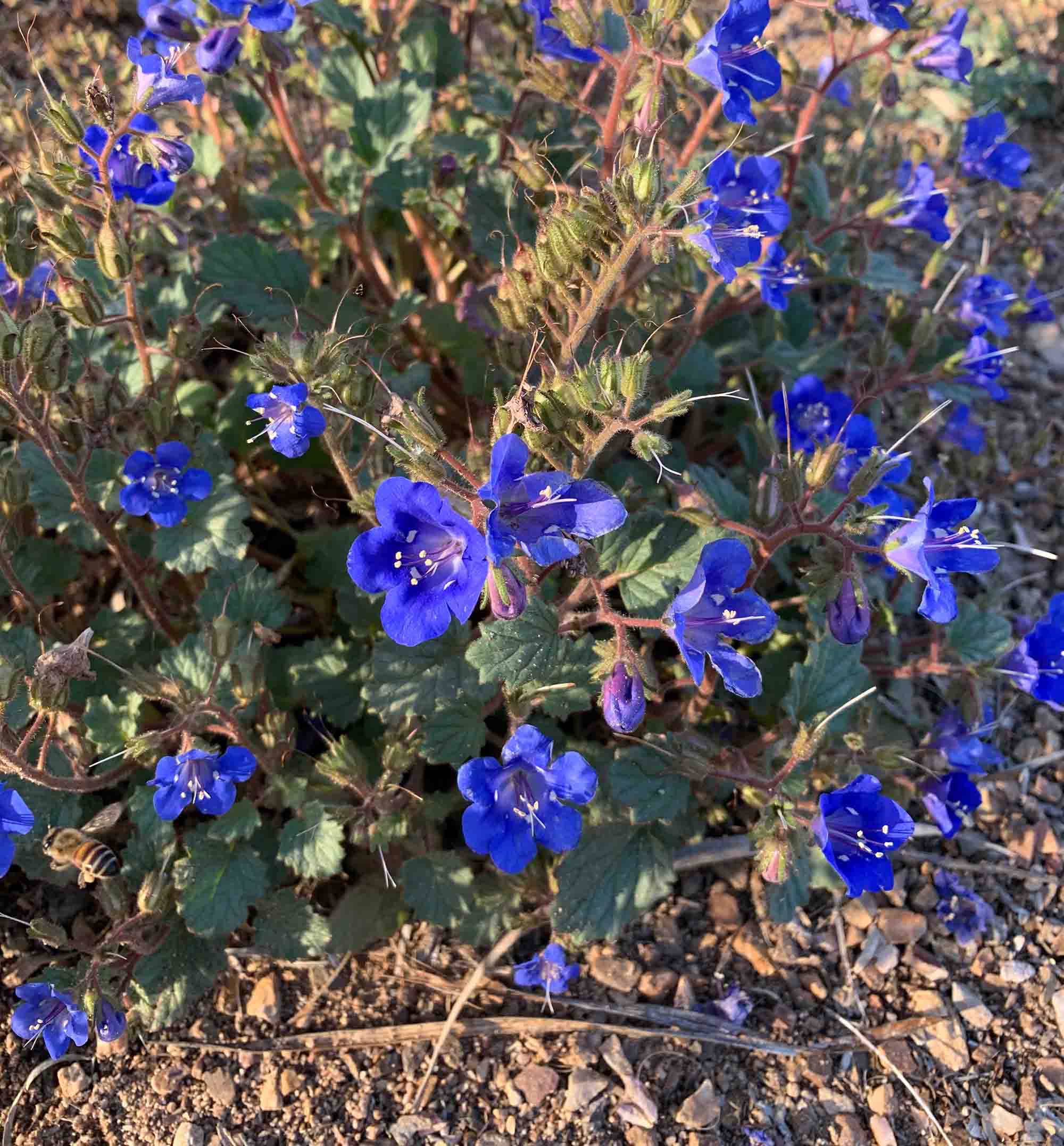
The desert bluebell is an example of a hot desert ephemeral.
Certain plants have expansive horizontal root systems designed to capture as much water as possible during rainfall. Examples of plants with wide horizontal root systems are sagebrush and buffalo grass.
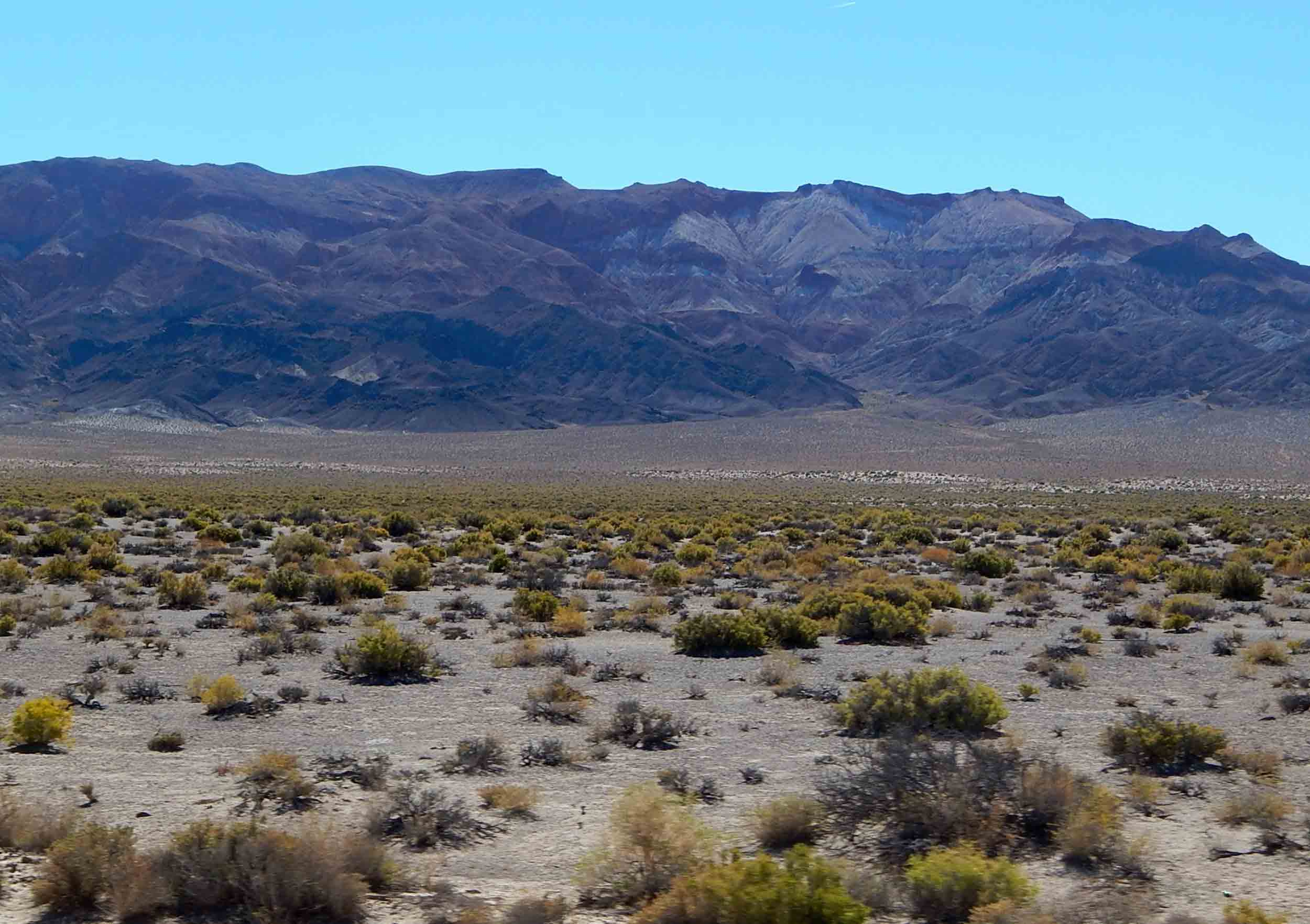
Sagebrush has a wide, horizontal root system to capture water when it rains.
Acacia trees, found in various hot desert regions around the world, have developed a range of adaptations to thrive in harsh, arid environments:




Use the images below to explore related GeoTopics.


