
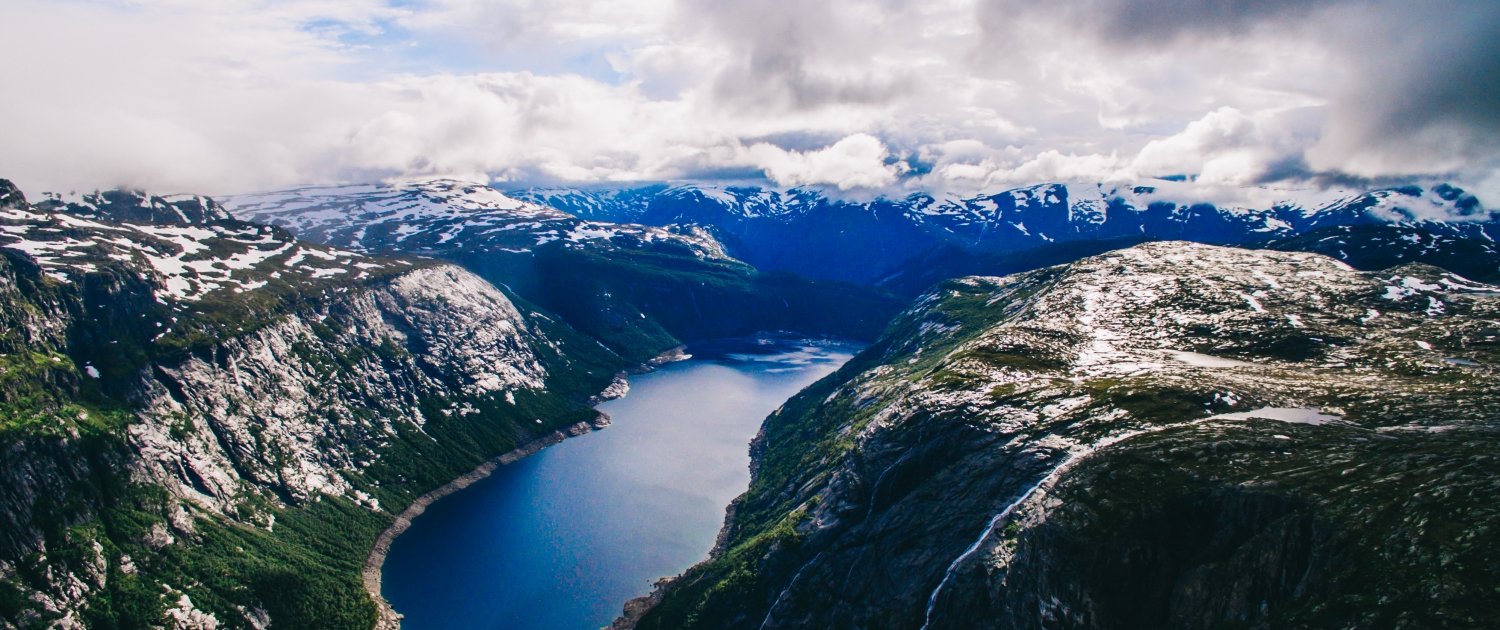
Svalbard Case Study
Svalbard is an archipelago (a large group of islands) located in northern Europe, halfway between Norway and the North Pole. It is one of the world’s northernmost inhabited areas and is administered by Norway. It has a permanent population of 2700, of which 2300 live in Longyearbyen, the administrative centre of the islands.
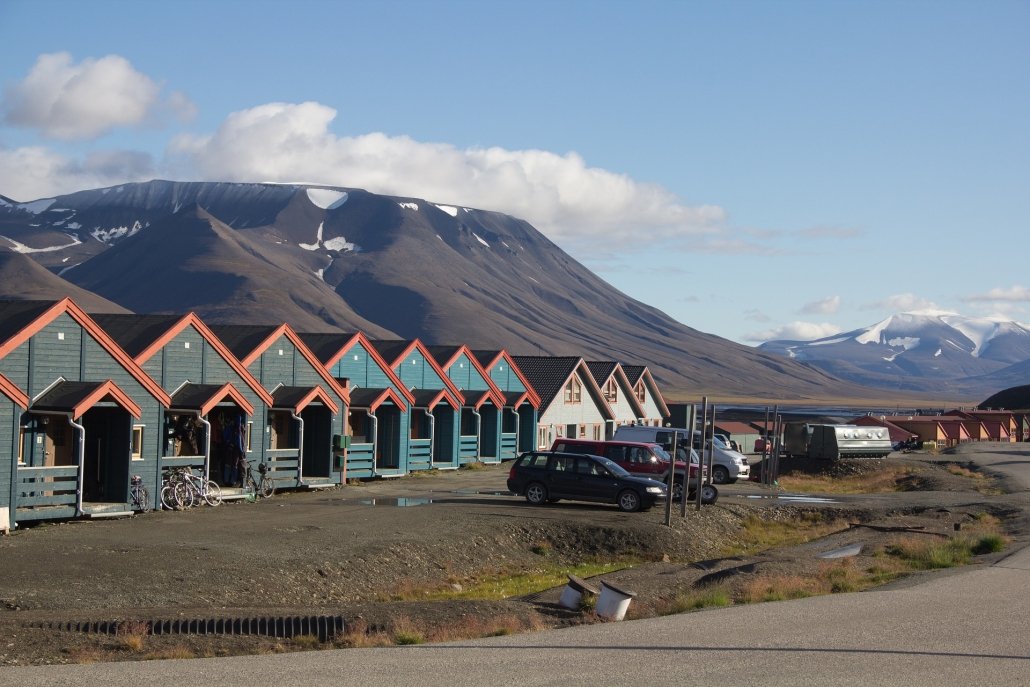
Houses at Svalbard
Svalbard is known for its remote terrain of glaciers and tundra, which shelter polar bears, Svalbard reindeer and Arctic foxes. The Northern Lights are visible during winter, and summer brings the “midnight sun”, sunlight for 24 hours a day.
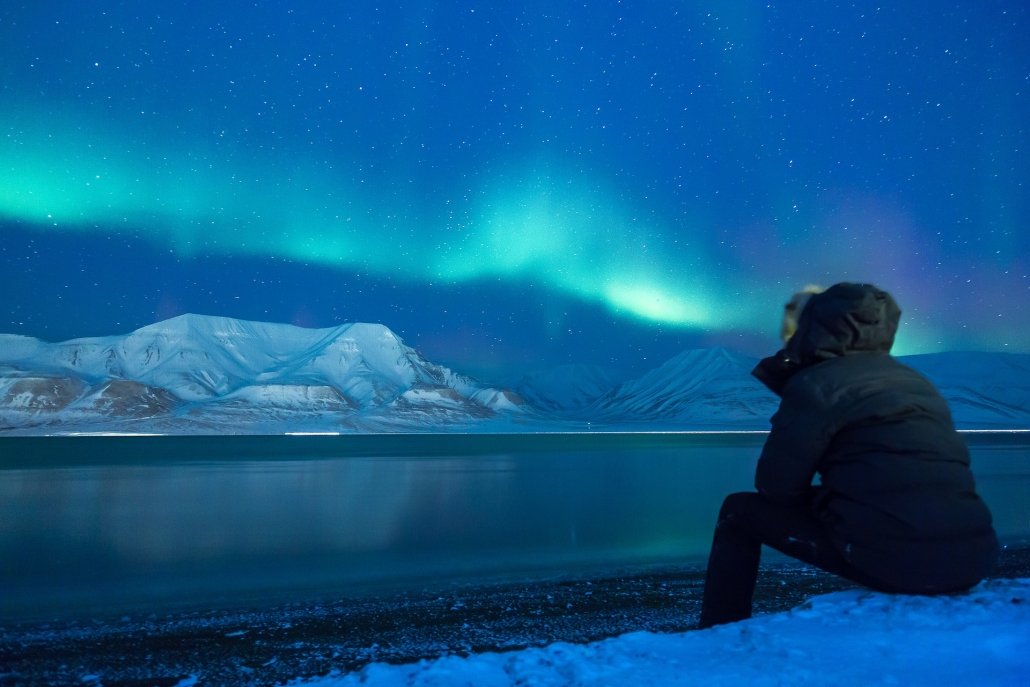
The northern lights at Svalbard
How has migration brought people to Svalbard?
The first residents of Svalbard were whalers, who arrived 400 years ago. The whalers were followed by miners, who extracted large quantities of coal for exportation around the world. Today, high-end tourist workers catering to last-chance-to-see cruises through the disappearing Arctic ice are the latest residents, along with academics and diplomats studying the impact of climate change. Under the terms of the Svalbard Treaty, which recognises Norway’s sovereignty, anyone can live in the archipelago without a visa, leading to a demographic shift, with English, Thais, Germans and Italians now living in Svalbard.
Opportunities for development in Svalbard
Svalbard has a range of development opportunities.
Mineral Extraction in Svalbard
Svalbard has a significant amount of coal and coal mining is the main economic activity on the islands, once employing over 300 people.
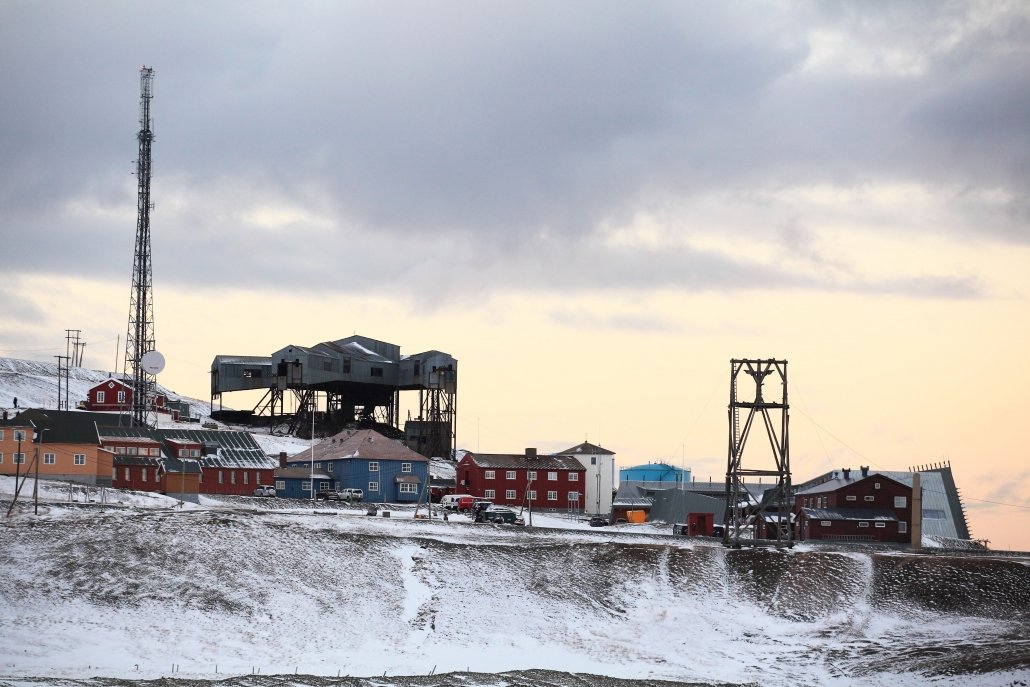
A coal mine at Svalbard
Energy in Svalbard
A coal-fired power station in Svalbard meets the energy requirements of the island. Along with the need to fly frequently, it is one of the reasons why the carbon footprint of Svalbard residents is among the largest in Europe.
The island has the potential to meet its energy needs through solar energy during the summer when there are 24 hours of sunlight. To overcome this Svalbard town council has reached an agreement with the Norwegian government to build a hydrogen power plant, which will generate clean electricity, producing only water as a byproduct. However, the coal mining community have to be won over before it is constructed. Though this should be achievable, given that only 45 people now work at the coal mine, which is currently at 10% of its former capacity.
Fishing in Svalbard
The Barents Sea that surrounds Svalbard is home to some of the best fishing grounds in the world, with over 150 species of fish, including haddock and herring. Fishing in this area is controlled, which means it is sustainable, as overfishing is illegal.
Tourism in Svalbard
Svalbard is a popular tourist destination and is visited regularly by cruise ships. Some 70,000 tourists visited in 2011, of whom 30,000 arrived by cruise ship. The harbour has been enlarged to accommodate large cruise ships. As the sea ice no longer forms around Svalbard, cruise ships can now stop in the winter, extending the tourist season.
People are attracted to Svalbard because of its natural beauty and wildlife. Adventure tourism is a growing industry in Svalbard, with people participating in leisure activities such as hiking, kayaking, and riding snowmobiles.
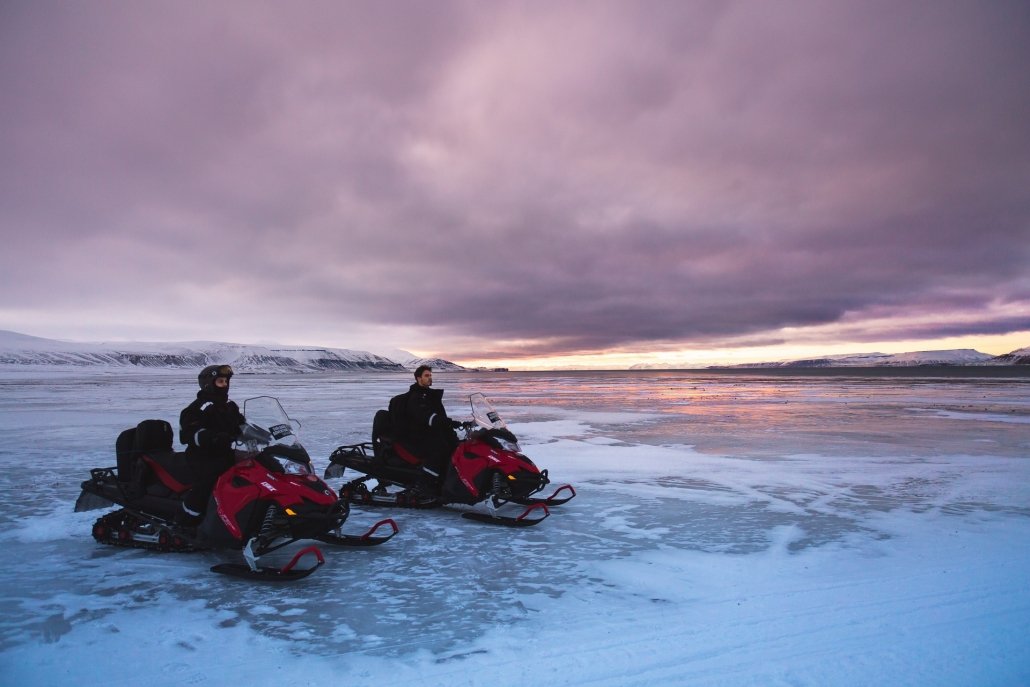
Snowmobile in Svalbard
Development challenges in Svalbard
Extreme Temperature
Winter temperatures can drop below -30°C in Svalbard. This, along with limited sunlight in the winter, makes working outside very challenging. In the winter, the sea freezes, and roads become very dangerous.
Buildings and Infrastructure
Permafrost in Svalbard creates considerable challenges for building and constructing infrastructure. Roads are built on raised gravel beds to reduce heat transfer, which can thaw the permafrost.
Many domestic services, such as freshwater and sanitation, have to be provided above ground in insulated utilidors to minimise the risk of freezing pipes and thawing the permafrost. Runways are painted white to reflect sunlight and reduce heat transfer.
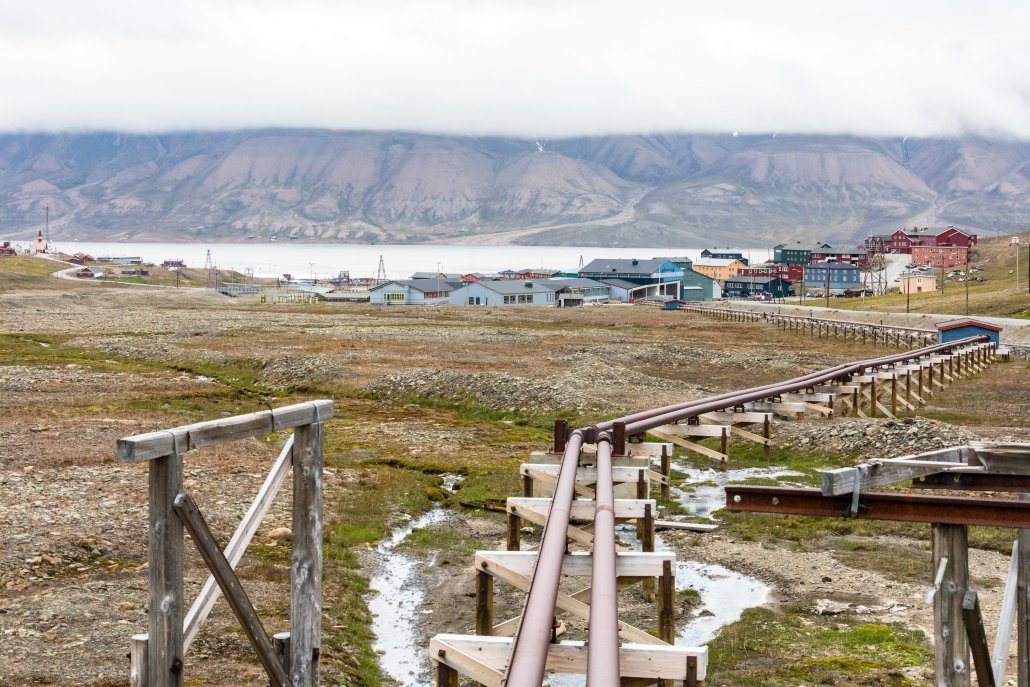
Utility pipes above ground in Svalbard
Inaccessibility
Svalbard is a very remote region, relying on transport by plane and ship for access. Some roads require crossing frozen rivers in winter, which is very dangerous. Locals rely on snowmobiles and 4x4s in the winter.




Related Topics
Use the images below to explore related GeoTopics.


