
What are the impacts of energy insecurity?
Energy insecurity leads to significant social, environmental and economic impacts.
What are the environmental impacts of energy insecurity?
Environmental costs of energy insecurity
Energy insecurity can cause long-term environmental damage, not only through the sources of energy but also through how it is produced, transported, and managed when supply is under pressure.
One major environmental cost is increased pollution. When countries struggle to secure reliable energy supplies, they may rely more heavily on cheaper, dirtier fuels such as coal or low-grade oil. This increases air pollution and greenhouse gas emissions, contributing to climate change and harming ecosystems and human health.
Energy insecurity can also lead to reduced environmental regulation. Governments facing rising energy demand may relax planning laws or environmental protections to speed up energy production. This can result in poor-quality developments, habitat destruction, and long-term environmental degradation that would not normally be permitted under stricter regulations.
Another environmental cost is damage caused by inefficient or ageing infrastructure. In energy-insecure countries, limited investment can lead to leaking pipelines, unsafe storage facilities and poorly maintained power stations. These failures increase the risk of oil spills, gas leaks and water contamination, all of which can cause serious harm to ecosystems.
Energy insecurity can also limit investment in renewable and low-carbon energy. Where governments prioritise short-term energy supply over sustainability, funding may be diverted away from cleaner technologies. This delays the transition to renewable energy and locks countries into environmentally damaging energy systems for longer.
Overall, the environmental costs of energy insecurity extend beyond the initial resource extraction. They include pollution, ecosystem damage, weakened environmental protections, and slower progress towards sustainable energy systems, thereby increasing environmental pressures at local, regional, and global scales.
Exploration of sensitive environments
As energy demand increases and availability decreases, exploitation in sensitive environments becomes more common. Examples include:
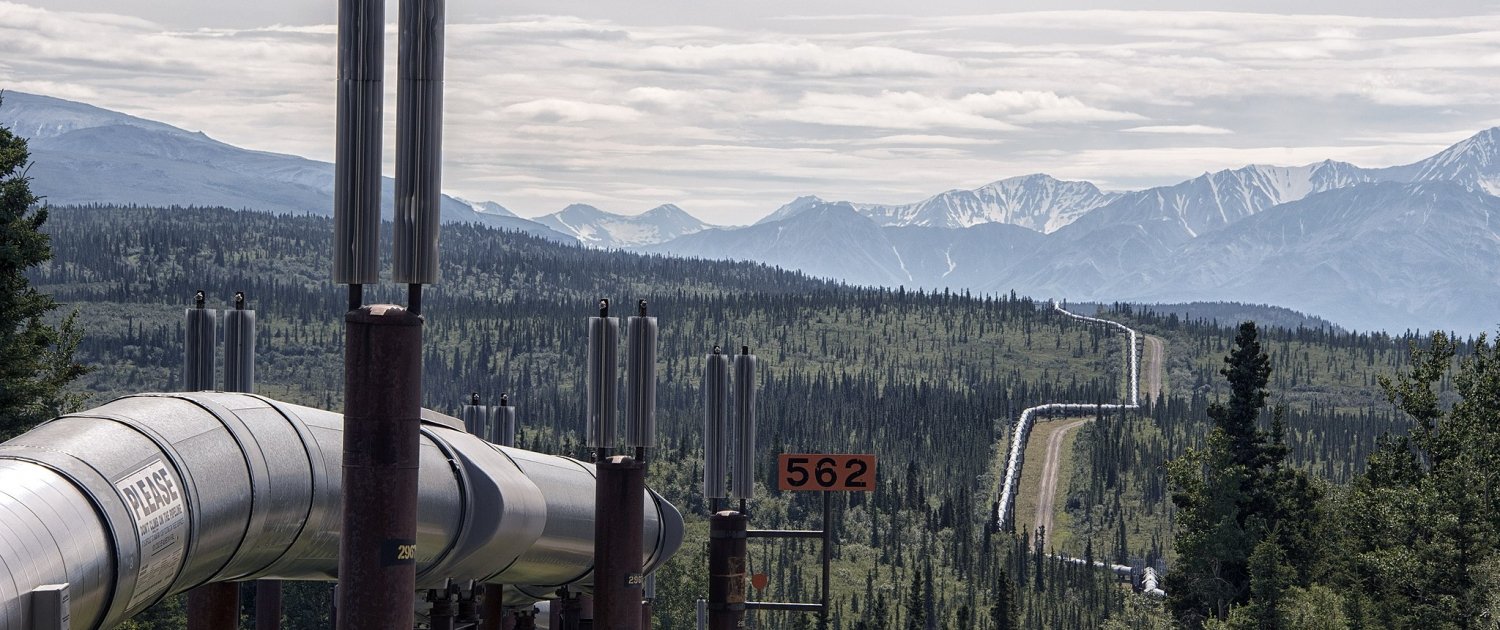
- Drilling for oil in Siberia and Alaska threatens the fragile polar and tundra ecosystems.
- Rainforests in tropical regions have been cleared to make way for biofuel production.
- The construction of dams and reservoirs has flooded valleys, displaced thousands of people, destroyed farmland, and degraded ecosystems. An example is the construction of the Three Gorges Dam project in China.
- The controversial siting of renewable energy projects, such as wind and solar farms, in popular upland areas, including the Scottish Highlands and the Lake District.
What are the economic impacts of energy insecurity?
When nations tap into energy resources in challenging or remote locations, the complexities of extraction lead to higher production costs, raising energy prices for consumers.
Food production
Modern large-scale farming relies heavily on energy for equipment such as irrigation systems, milking machines, feed mills, tractors, and combine harvesters. As a result, agriculture and food production are particularly sensitive to fluctuations in energy costs set by international suppliers. Higher energy prices can increase domestic food production costs, intensifying competition from overseas producers in countries with more stable energy supplies.
Industrial output
Energy insecurity and fluctuating prices can affect industrial output, leading to higher prices as uncertainty increases. Therefore, companies based in countries experiencing energy insecurity face considerable challenges in competing with those in countries with energy security, reducing economic output in NEEs.
What are the impacts of energy insecurity on people?
Energy insecurity affects people in various ways, including:
- Increased living costs: Higher energy prices raise the cost of living, making it more expensive to operate homes, purchase food, manufacture goods, and travel.
- Job risks: Reduced sales of goods and services due to higher prices may lead to job losses as businesses reduce staff to manage declining revenues.
- Disruptions from power cuts: Power outages cause inconvenience by depriving people of essential services like lighting, heating, and electrical appliances.
Conflict
Industrial production is particularly vulnerable to the challenges posed by energy insecurity. Industries risk losing competitiveness to international rivals, leading to reduced production levels and job losses. Beyond increasing production costs and raising consumer prices, energy insecurity may lead to unreliable energy supplies, resulting in power outages and rationing.
Growing energy insecurity could also lead to various forms of conflict:
- Competition among energy users: Key energy consumers, including households, agriculture, industry, and transport, may compete for limited energy resources, driving up prices. In the UK, agriculture and low-income households are likely to be disproportionately affected.
- Conflict between domestic and imported goods: Domestic industries may struggle to compete with imports from countries with lower energy costs. For instance, Chinese manufacturing benefits from significantly lower energy costs than in Europe and lower labour costs, enabling its goods to dominate in price competitiveness.
- International disputes over energy supplies: Countries with abundant energy resources may find themselves in conflict with those lacking them. For example, Argentina’s claim to the UK-administered Falkland Islands is thought to relate to the potential oil and gas reserves in its territorial waters.
Energy transport routes also present potential flashpoints. The Strait of Hormuz, a critical passage between Iran and the United Arab Emirates, accounts for approximately 25% of the world’s oil supply. In 2019, sabotage attacks on oil tankers in the region, attributed to Iran as a response to U.S. sanctions on its oil exports, highlighted how energy security can escalate geopolitical tensions.