
Strategies and Techniques to Manage River Flooding
Evaluating Strategies to Manage River Flooding
River flooding can be managed using a range of hard engineering, soft engineering and sustainable strategies. Each approach has advantages and disadvantages, and no single strategy completely removes flood risk. Effective flood management often involves a combination of methods.
Hard Engineering Strategies
Hard engineering involves large-scale, man-made structures designed to control rivers and reduce flooding.
Dams and Reservoirs
Dams store large volumes of water in reservoirs and release it in a controlled way.
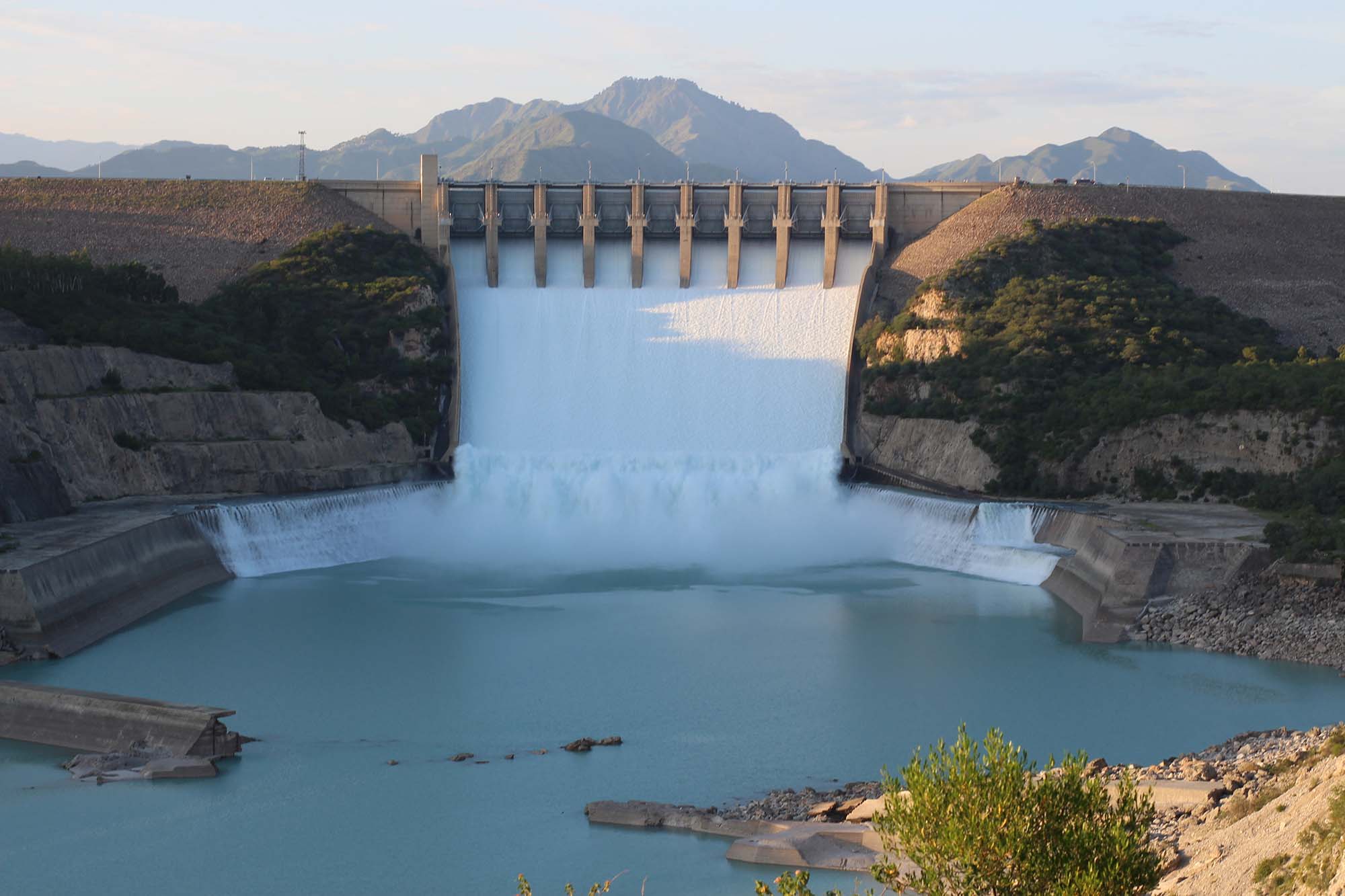
The Tarbela Dam holding back the Tarbela reservoir
Advantages
- It can significantly reduce flood risk downstream.
- Reservoirs provide a water supply and hydroelectric power.
- Long lifespan.
Disadvantages
- Very expensive to build and maintain.
- Floods land upstream, displacing people and wildlife.
- Traps sediment, reducing fertility downstream.
- If a dam fails, flooding can be catastrophic.
Evaluation
Dams are effective but not sustainable in the long term due to high costs and environmental damage.
Channel Straightening
The river is made straighter, so water flows away more quickly.
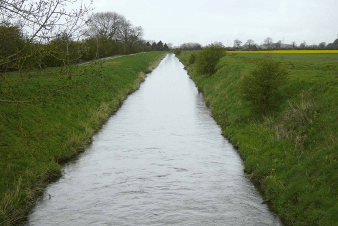
Channel Straightening
Advantages
- Reduces flood risk in the managed section.
- Improves navigation and land use.
Disadvantages
- Increases river velocity.
- Transfers flood risk downstream.
- Destroys habitats and increases erosion.
Evaluation
Channel straightening solves problems locally but creates new problems elsewhere, making it a short-term solution.
Embankments (Levees)
Raised river banks increase channel capacity.
Advantages
- Effective at preventing frequent, low-level flooding.
- Relatively quick to construct.
Disadvantages
- Expensive to maintain.
- If embankments fail, flooding is severe.
- Encourages development on floodplains, increasing risk.
Evaluation
Embankments reduce risk temporarily but do not address the causes of flooding and can increase long-term vulnerability.
Soft Engineering Strategies
Soft engineering works with natural river processes and is usually cheaper and more sustainable.
Flood Warnings and Preparation
Weather forecasts and river monitoring are used to warn people of floods.
Advantages
- Saves lives.
- Low cost.
- Allows people to protect property.
Disadvantages
- Does not prevent flooding.
- Less effective in rapidly responding to river basins.
Evaluation
Flood warnings are essential, but must be combined with other strategies to reduce damage.
Floodplain Zoning
High-risk areas are kept free from development.
Advantages
- Cheap and sustainable.
- Reduces future flood damage.
- Allows rivers to flood naturally.
Disadvantages
- Difficult to enforce in already developed areas.
- Limits the land available for housing and industry.
Evaluation
Floodplain zoning is highly effective in the long term, but difficult to apply retrospectively.
Sustainable Flood Management Strategies
Sustainable strategies aim to reduce flood risk while protecting the environment.
Afforestation
- Planting trees in drainage basins.
Advantages
- Trees increase interception and infiltration.
- Reduces surface runoff.
- Improves biodiversity.
Disadvantages
- Takes time to be effective.
- Requires large areas of land.
Evaluation
- Afforestation is environmentally friendly and sustainable, but not a quick solution.
River Restoration
Returning rivers to a more natural state, such as re-meandering.
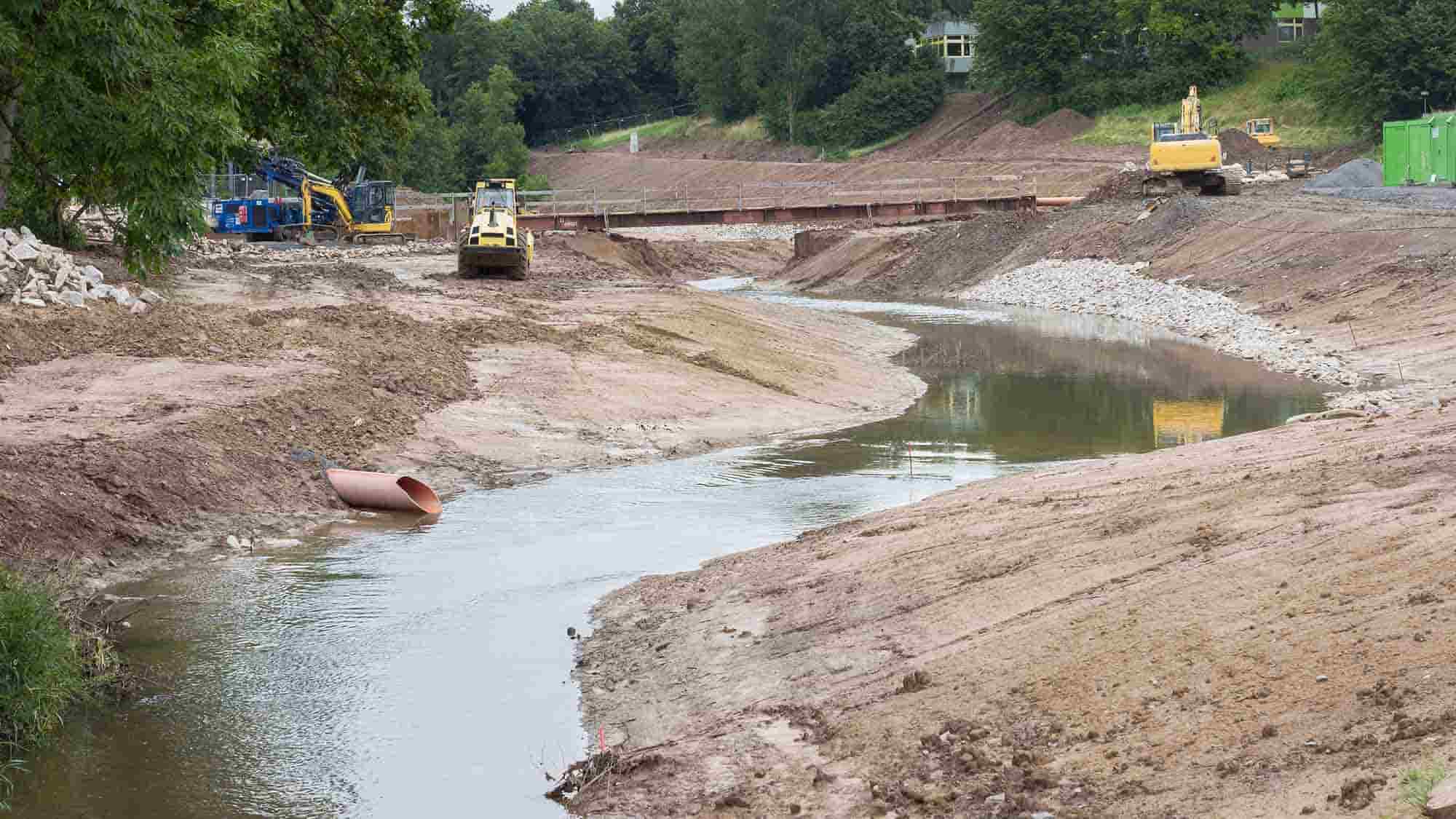
River restoration
Advantages
- Slows river flow.
- Reduces downstream flood risk.
- Creates habitats and improves water quality.
Disadvantages
- Requires space.
- May flood farmland.
Evaluation
River restoration is one of the most sustainable strategies, but it may conflict with land use.
Flood Storage Areas (Washlands)
Designated areas where floodwater is allowed to spread.
Advantages
- Reduces peak discharge downstream.
- Low cost and sustainable.
- Works with natural processes.
Disadvantages
- Floods land intentionally.
- May reduce agricultural productivity.
Evaluation
Flood storage areas are effective and sustainable where land use allows.
Overall Evaluation
- Hard engineering provides immediate protection but is expensive and environmentally damaging.
- Soft engineering reduces risk rather than preventing floods and is more sustainable.
- Sustainable strategies are most effective in the long term but require space, planning and cooperation.
- The most effective flood management employs an integrated approach that combines hard, soft, and sustainable methods.


